
Figures

See our Power Play report for context. All text and graphs are Creative Commons licensed and free to use with attribution.

Figure 1
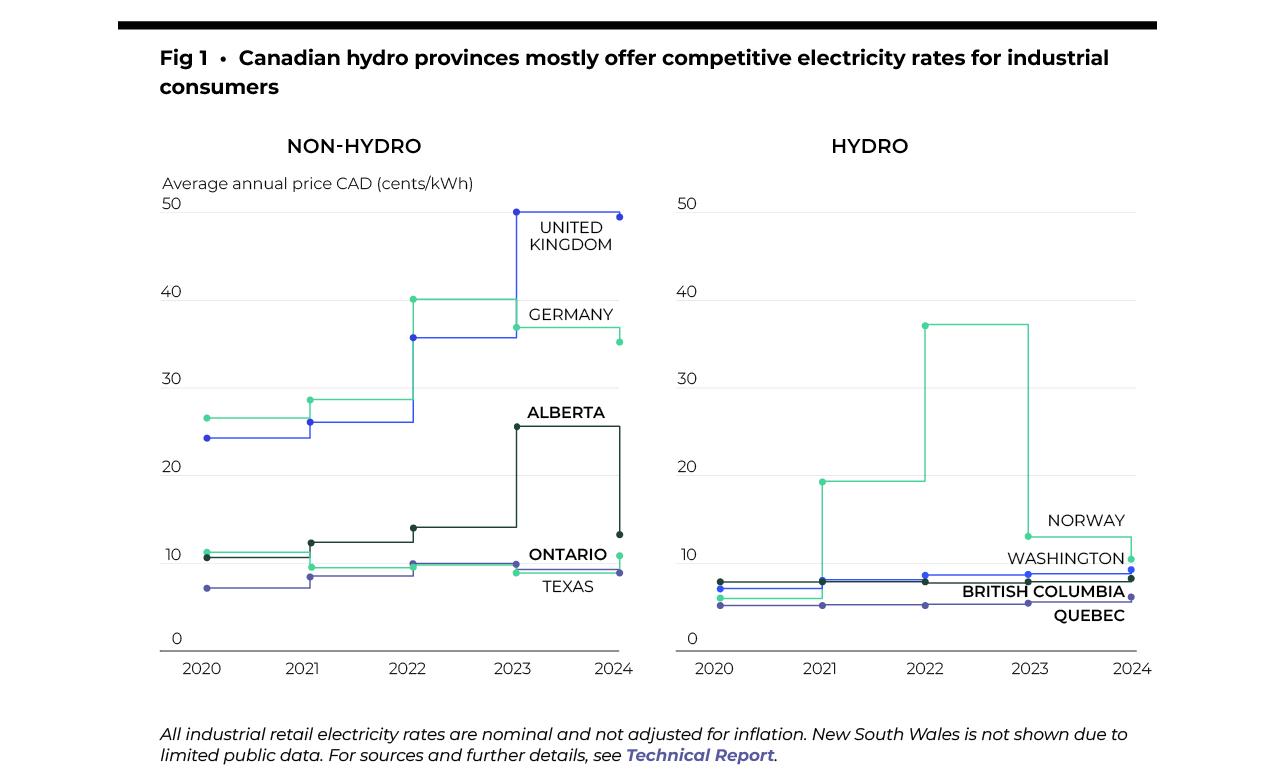
Figure 1 shows that Canadian hydro provinces mostly offer competitive electricity rates for industrial consumers.

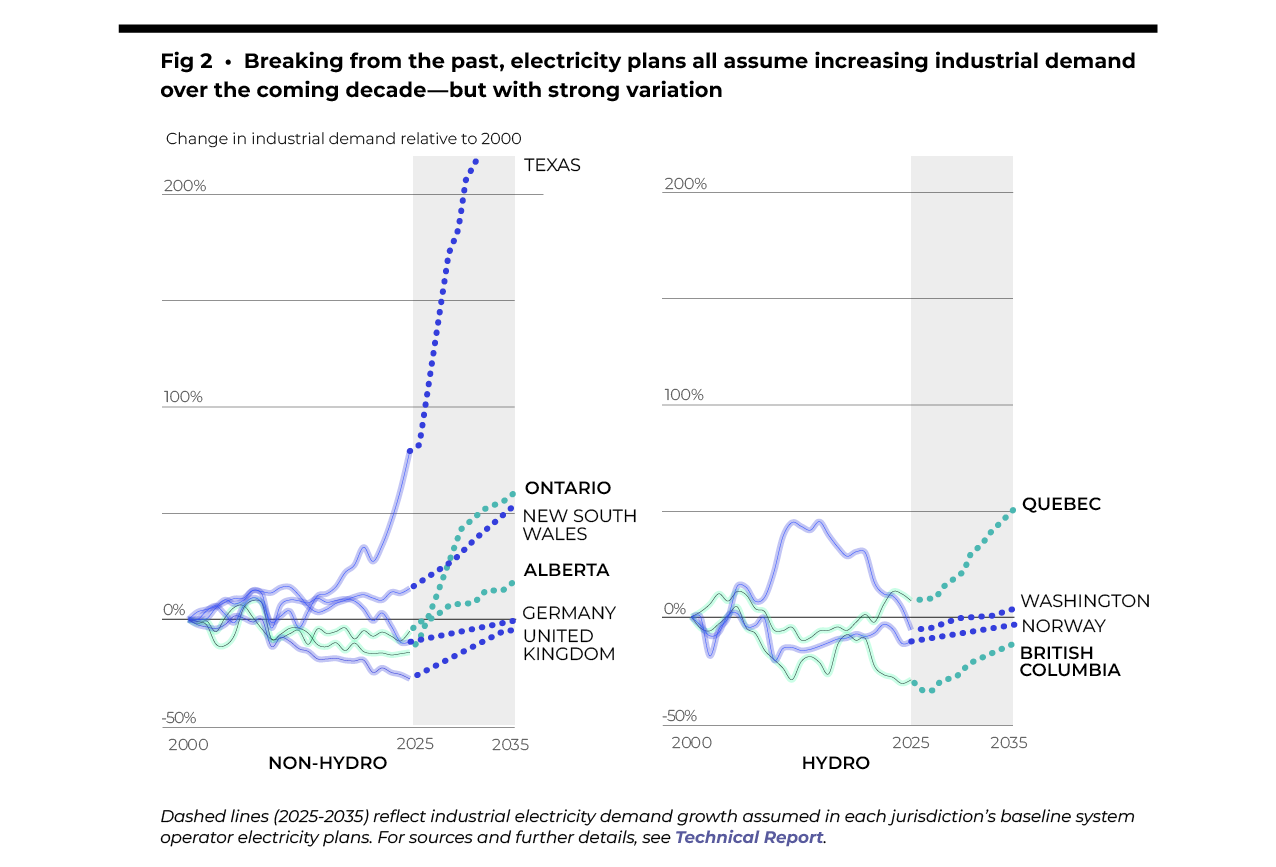
Figure 2

Figure 2 shows that breaking from the past, electricity plans all assume increasing industrial demand over the coming decade, but with strong variation.

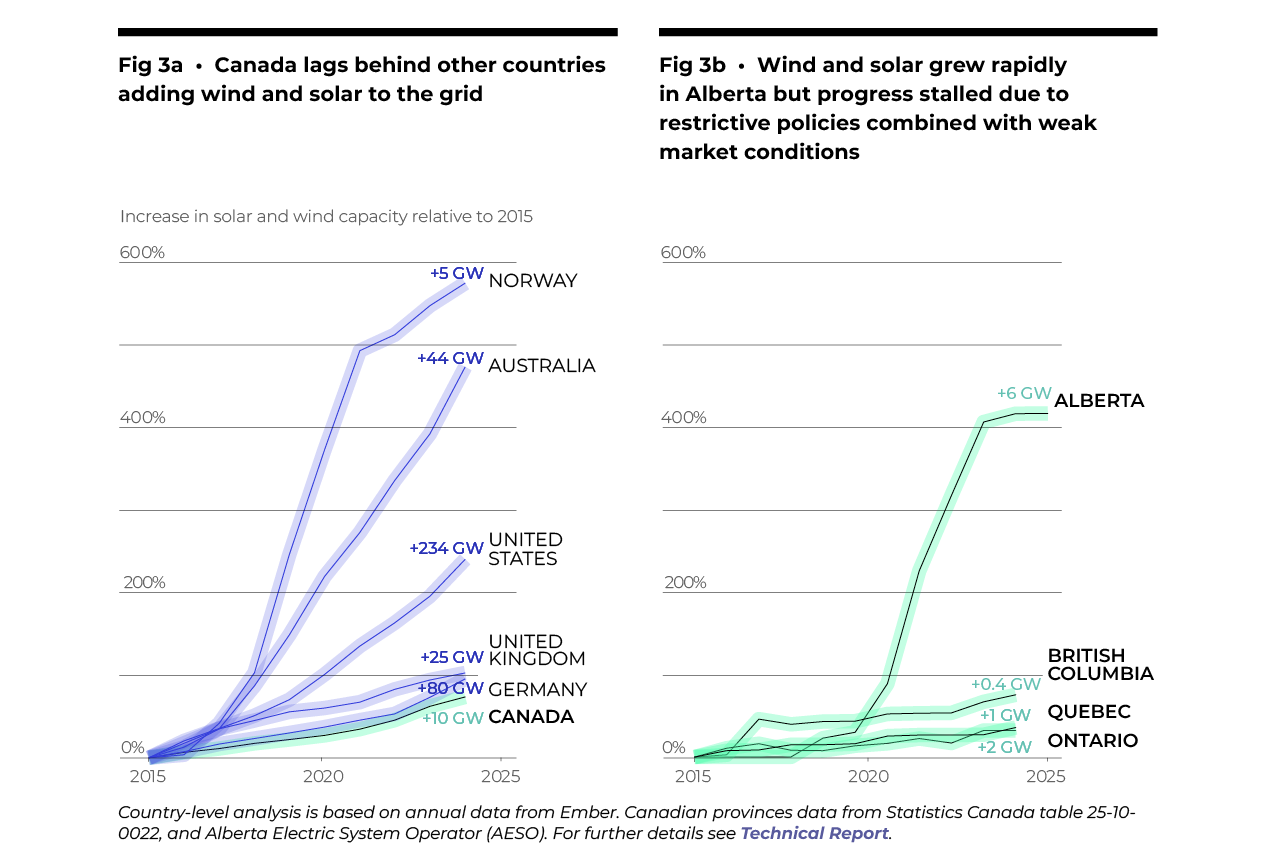
Figure 3

Figure 3 shows that Canada lags behind other countries adding wind and solar to the grid.
Wind and solar grew rapidely in Alberta but progress stalled due to restrictive policies combined with weak market conditions.

Figure 4

Figure 4 shows that jurisdictions have different electricity-generation sources and market structures.

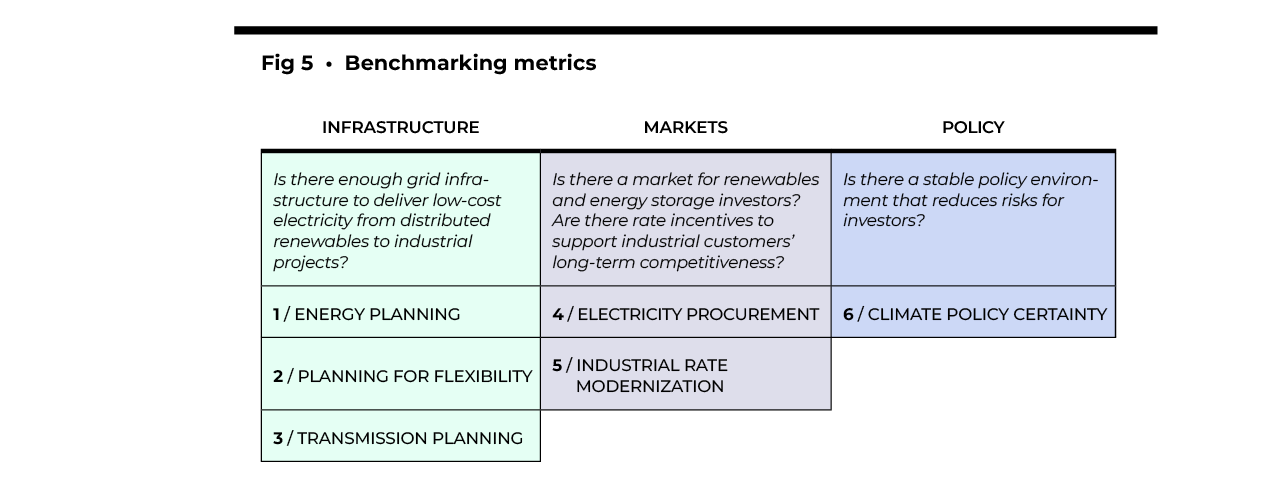
Figure 5

Figure 5 shows benchmarking metrics on infrastructure, markets and policy.

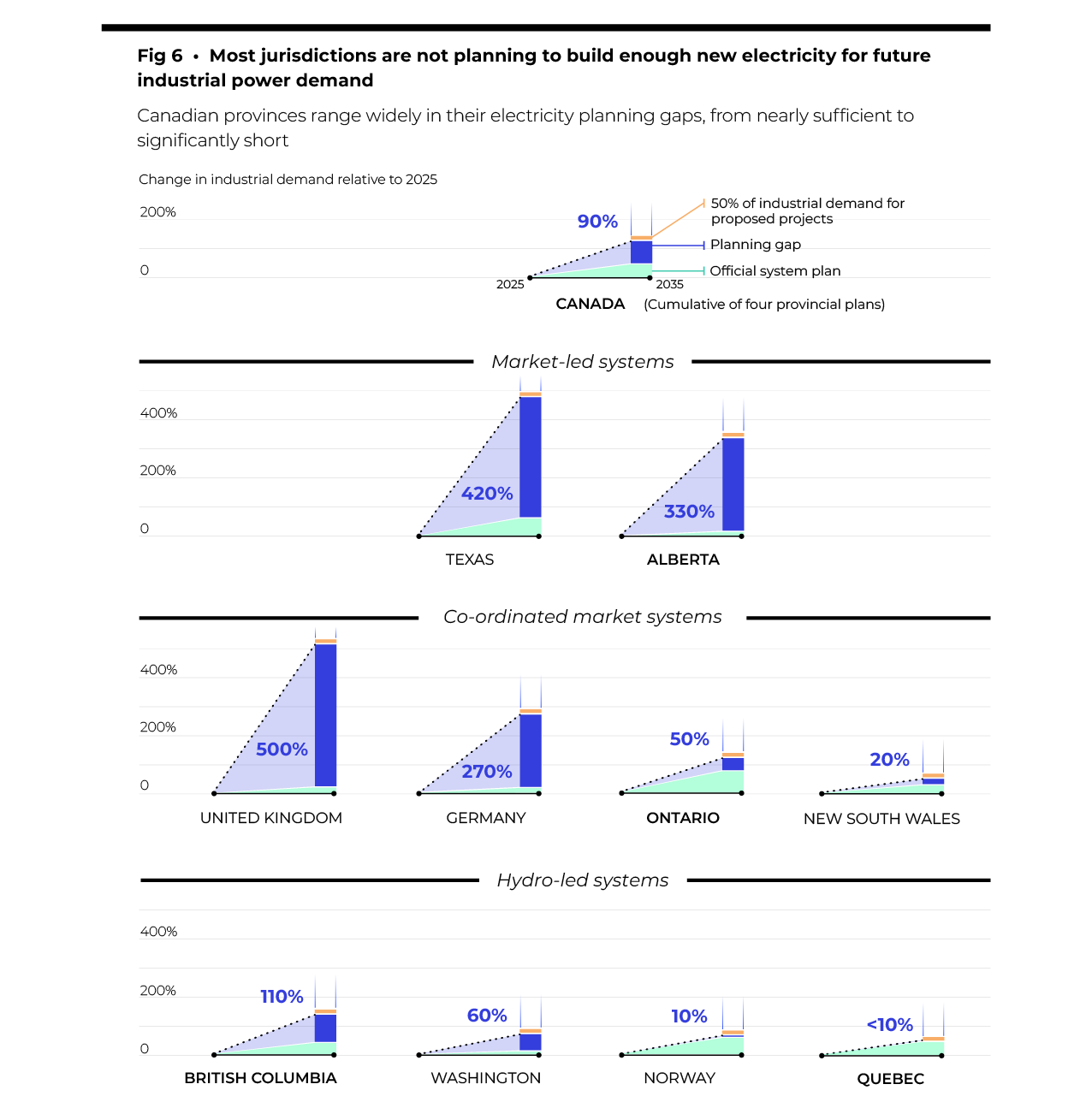
Figure 6

Figure 6 shows that most jurisdictions are not planning to build enough new electricity for future industrial power demand.

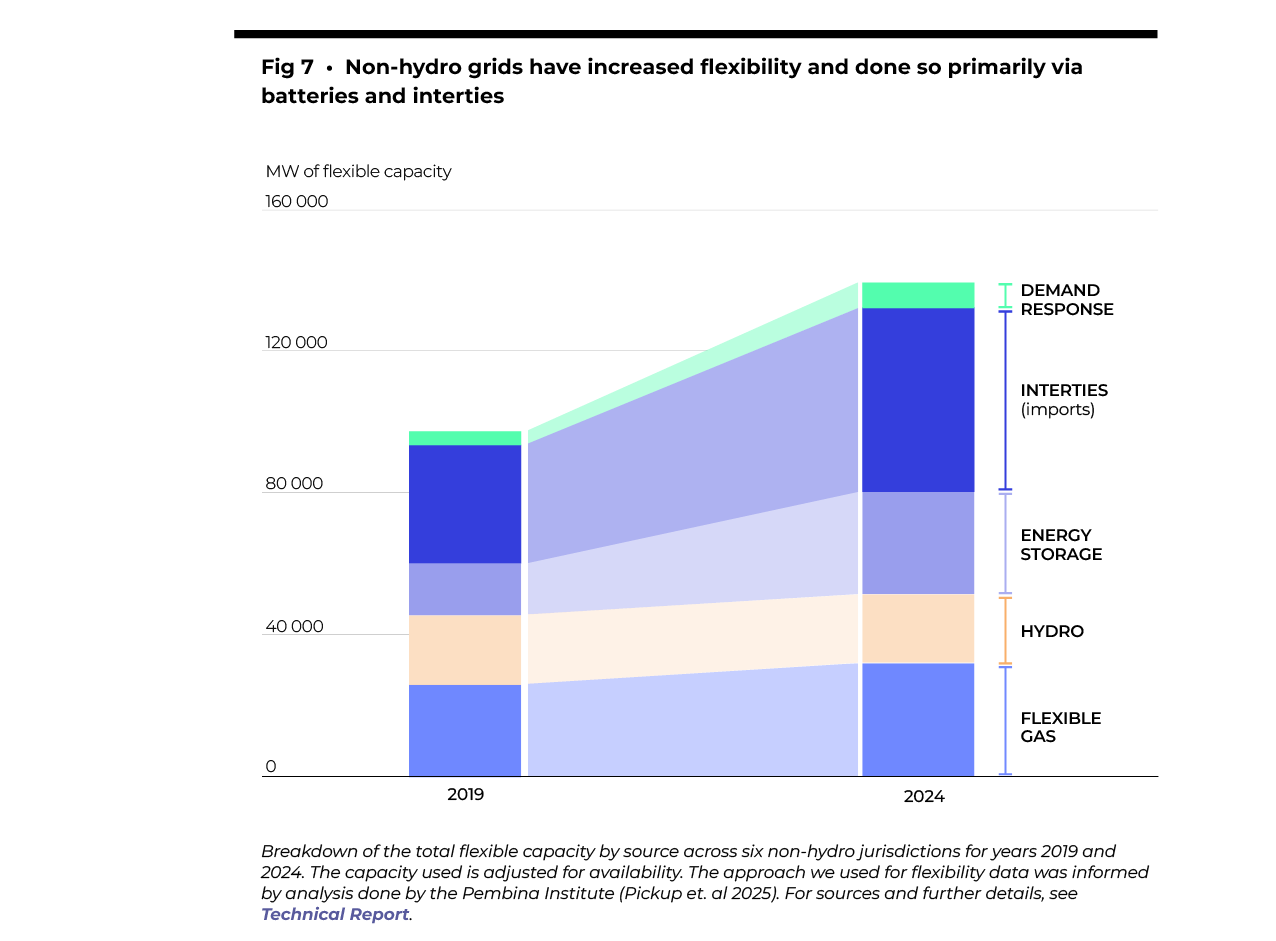
Figure 7

Figure 7 shows that non-hydro grids have increased flexibility and done so primarily via batteries and interties.

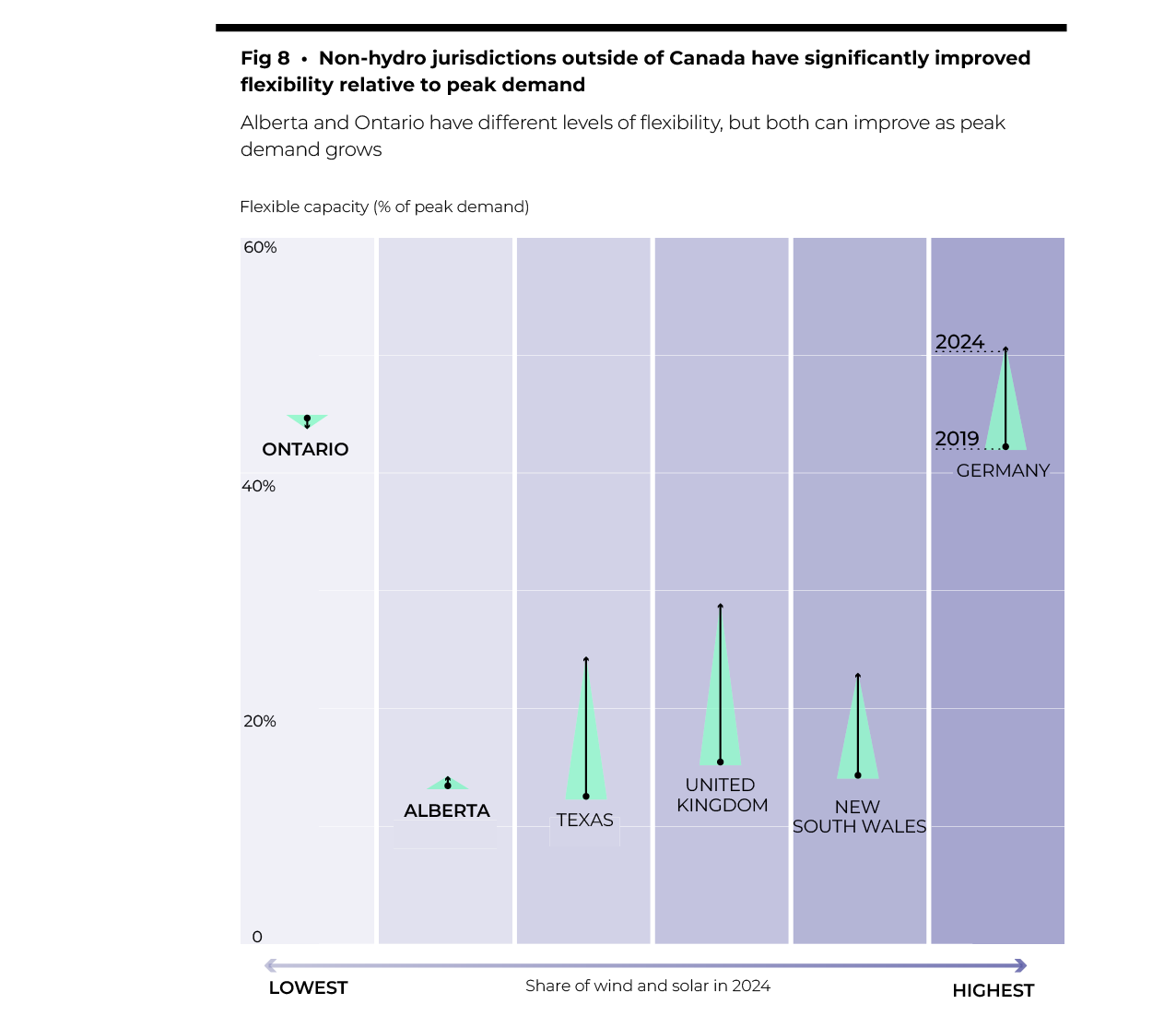
Figure 8

Figure 8 shows that non-hydro jurisdictions outside of Canada have significantly improved flexibility relative to peak demand.

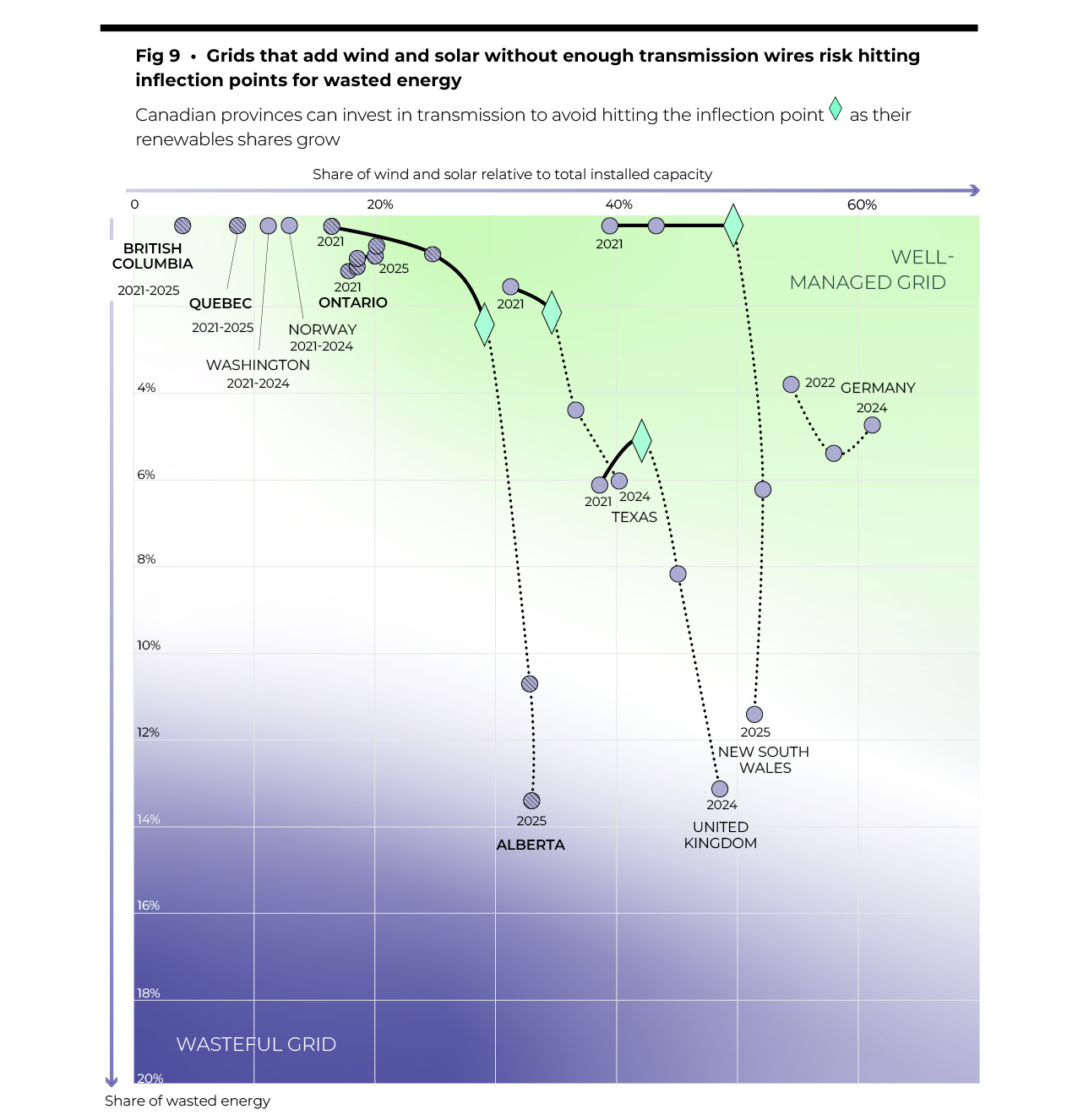
Figure 9

Figure 9 shows that grids that add wind and solar without enough transmission wires risk hitting inflection points for wasted energy.

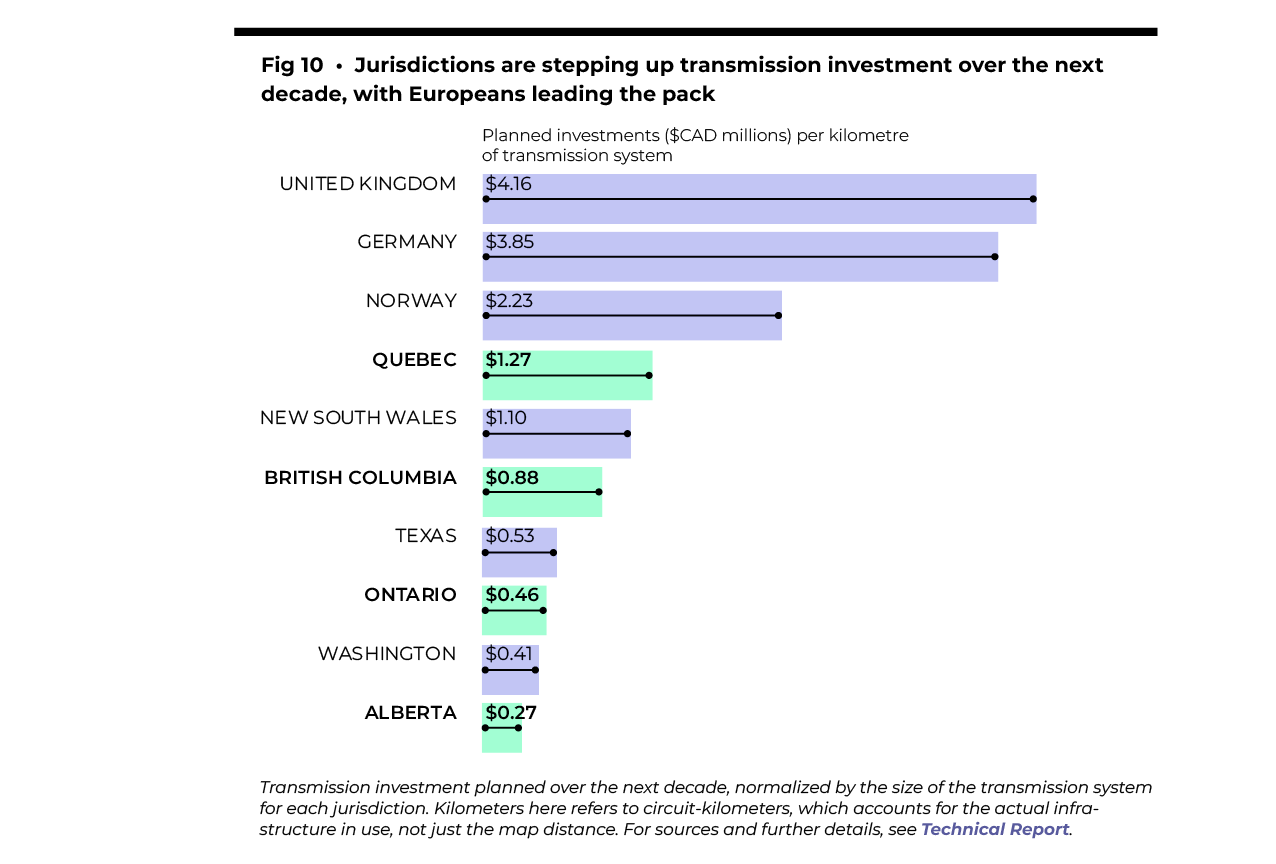
Figure 10

Figure 10 shows that jurisdictions are stepping up transmission investment over the next decade, with Europeans leading the pack.

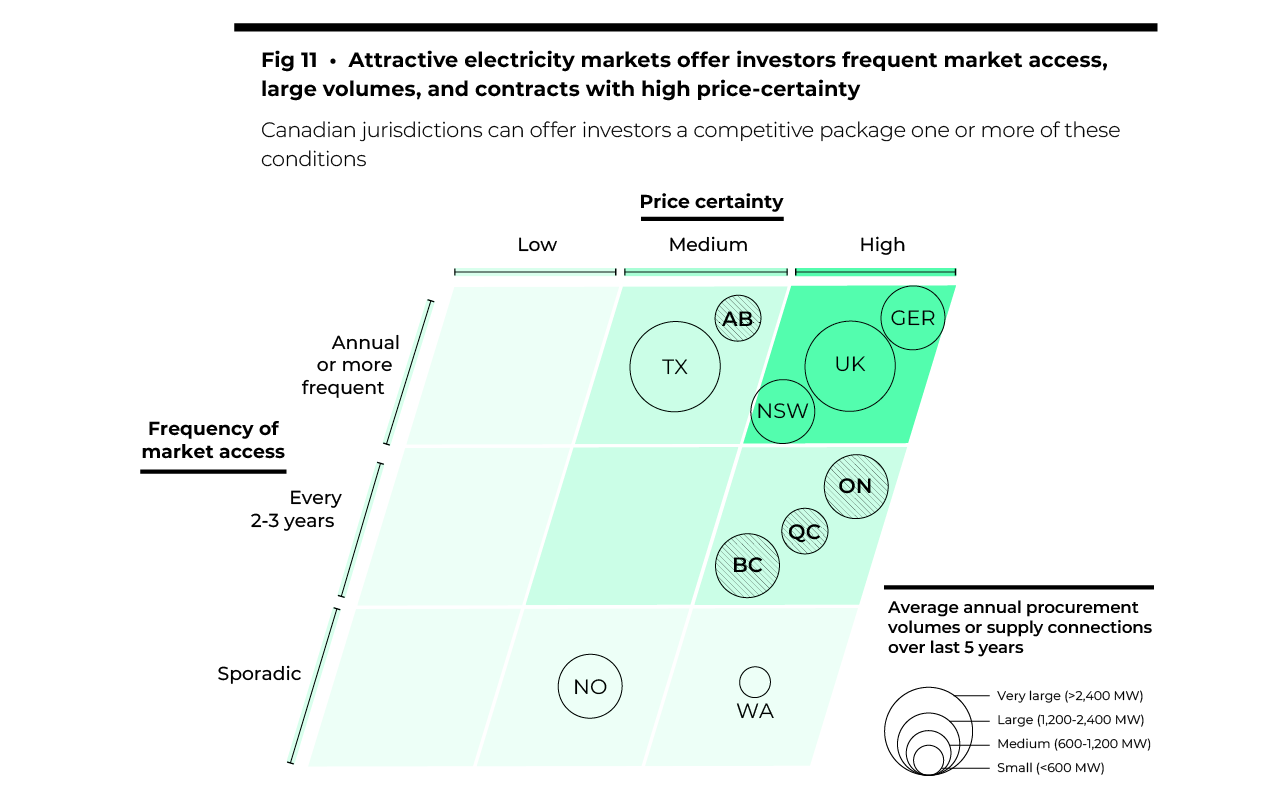
Figure 11

Figure 11 shows that attractive electricity markets offer investors frequent market access, large volumes, and contracts with high price-certainty.

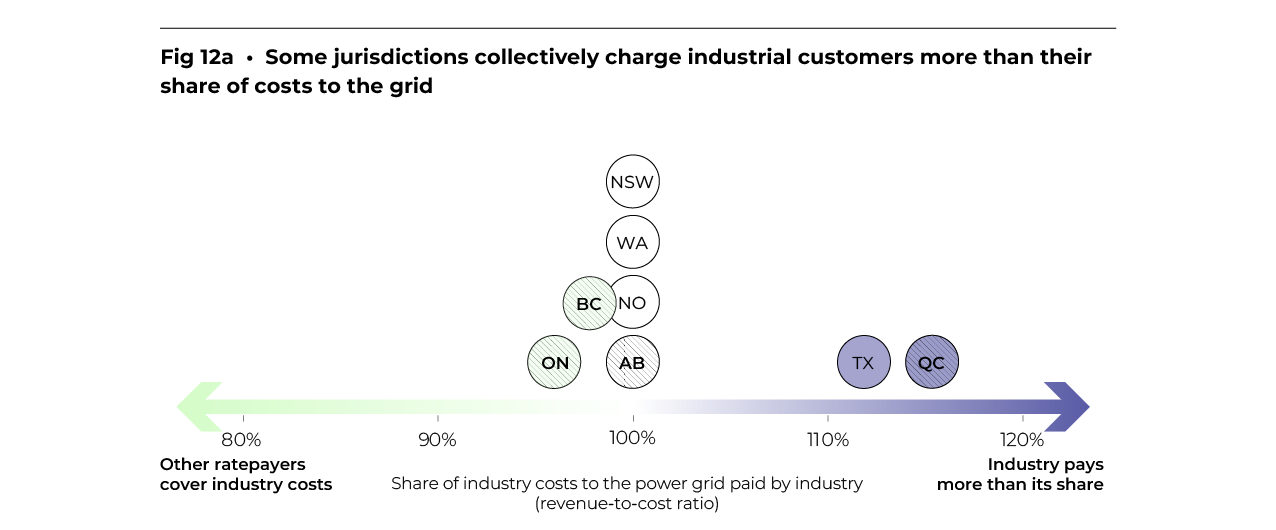
Figure 12a

Figure 12a shows that some jurisdictions collectively charge industrial customers more than their share of costs to the grid.

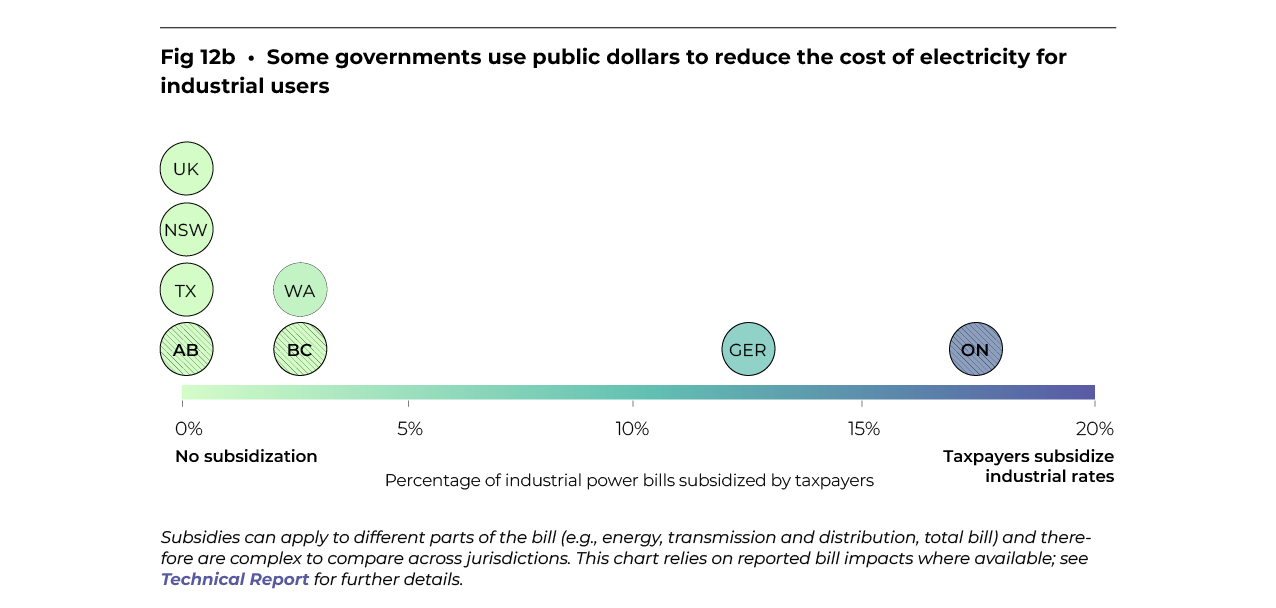
Figure 12b

Figure 12b shows that some governments use public dollars to reduce the cost of electricity for industrial users.

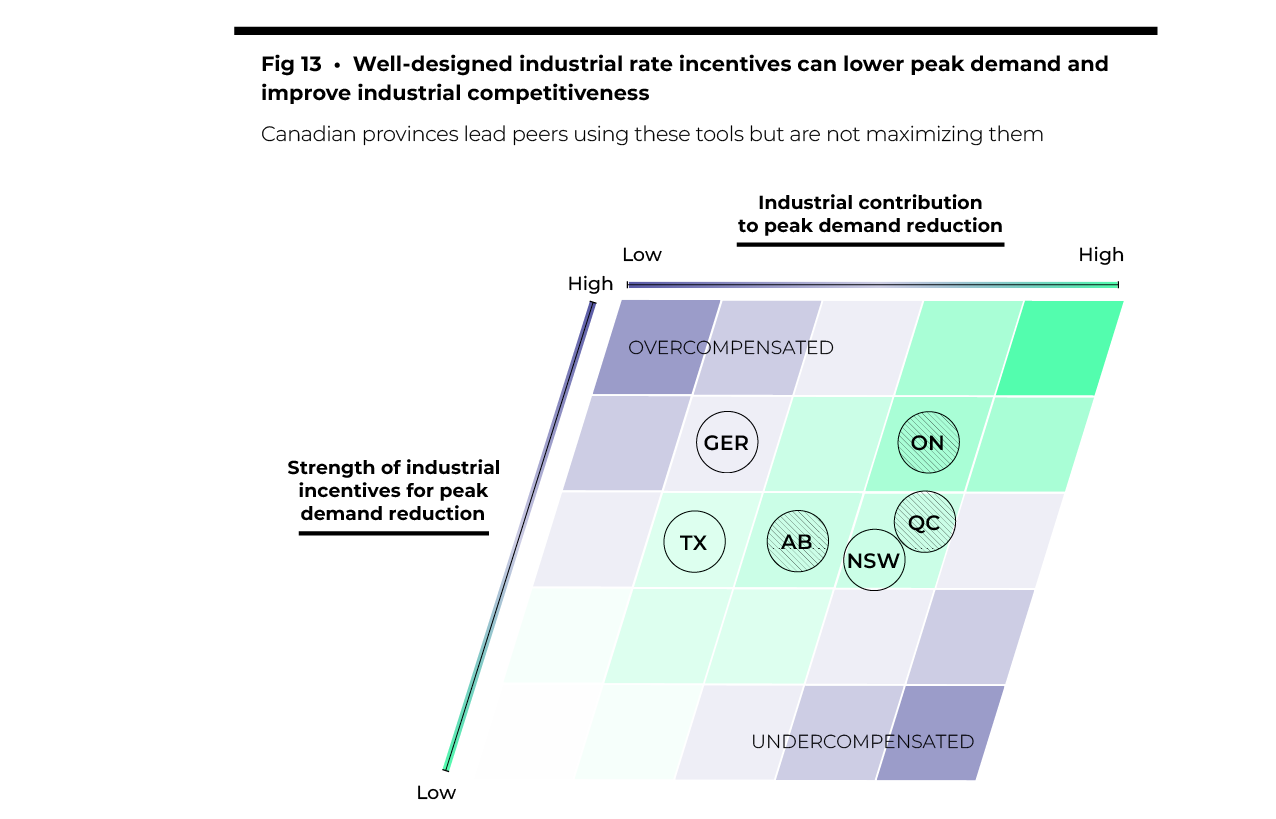
Figure 13

Figure 13 shows that well-designed industrial rate incentives can lower peak demand and improve industrial competitiveness.

Figure 14

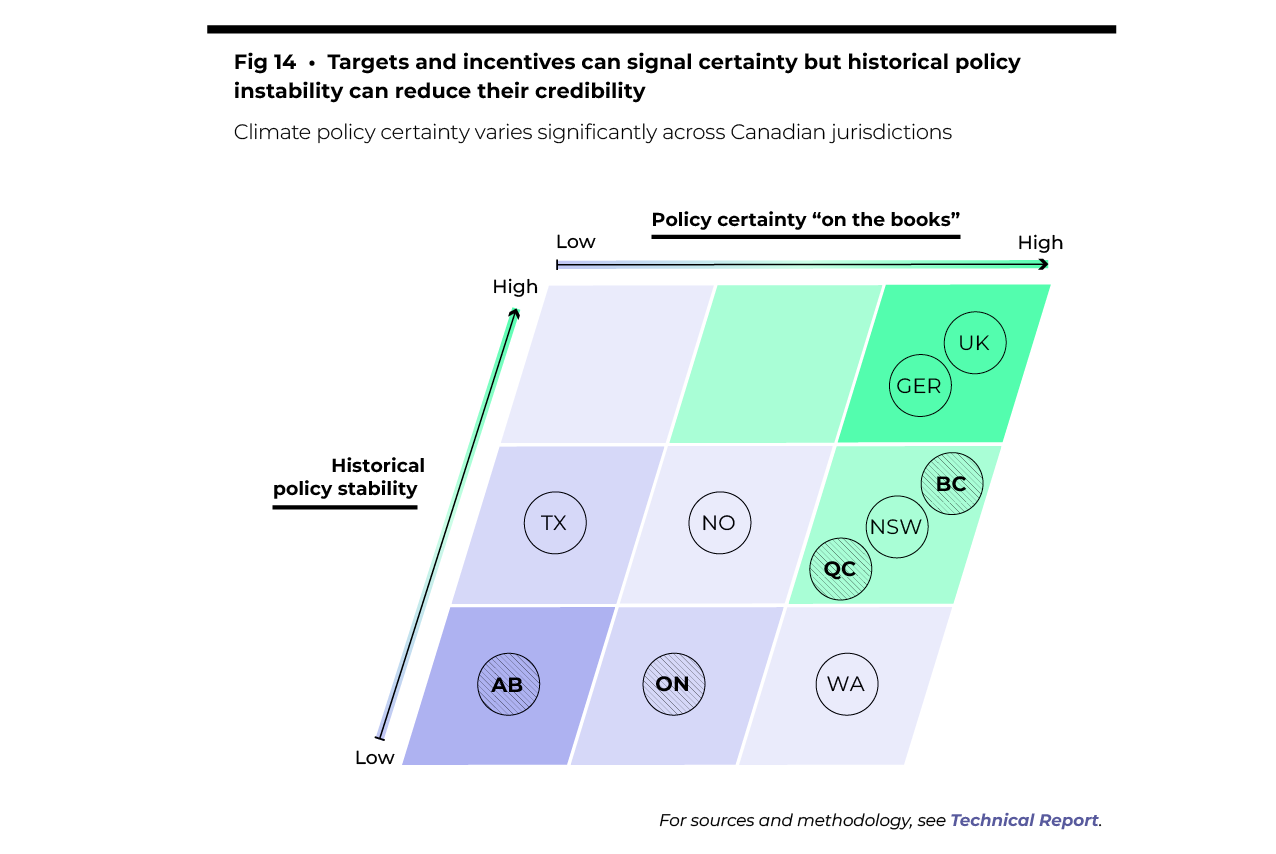
Figure 14 shows that targets and incentives can signal certainty but historical policy instability can reduce their credibility.

Figure 15

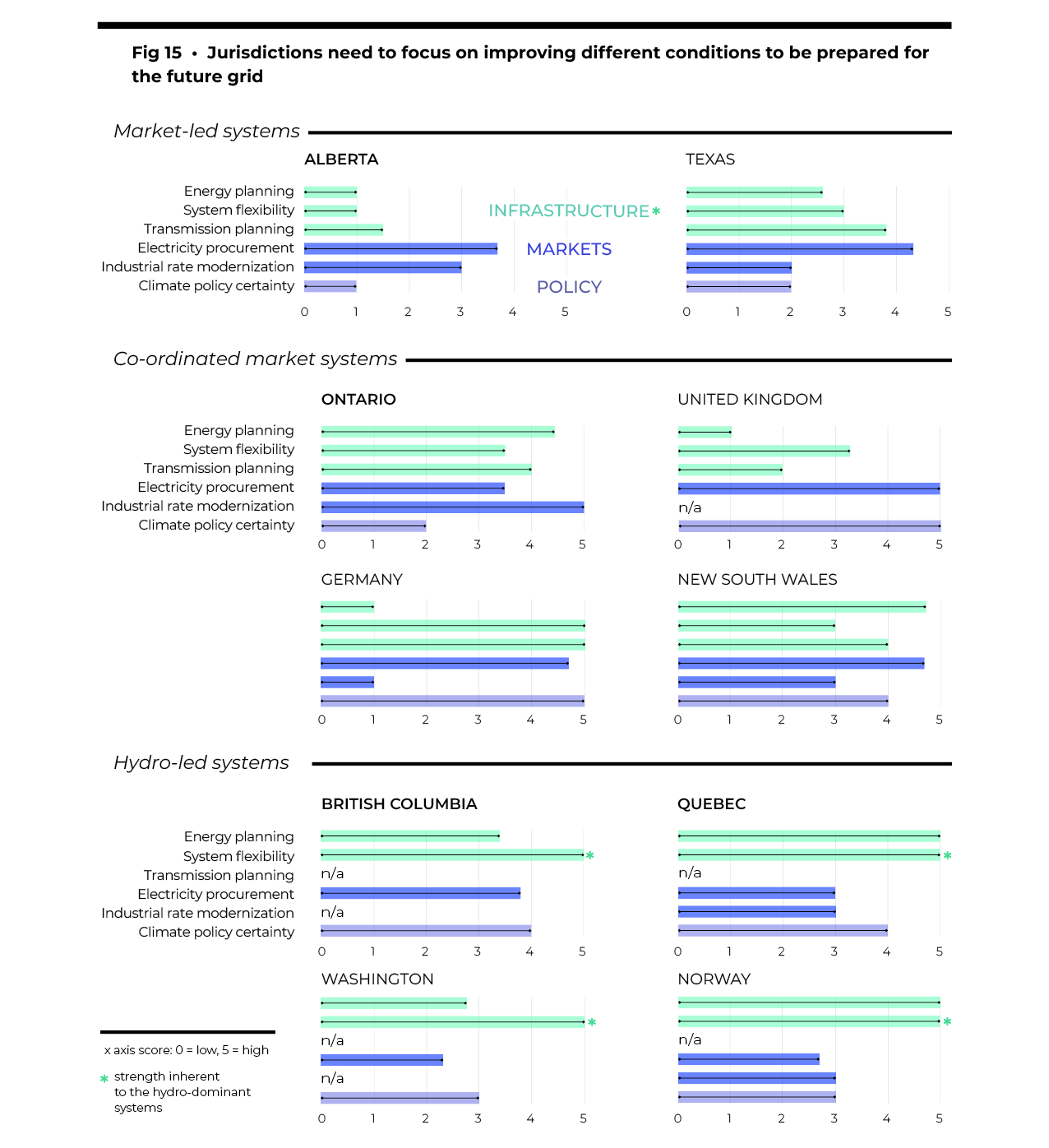
Figure 15 shows that jurisdictions need to focus on improving different conditions to be prepared for the future grid.

Figure 16

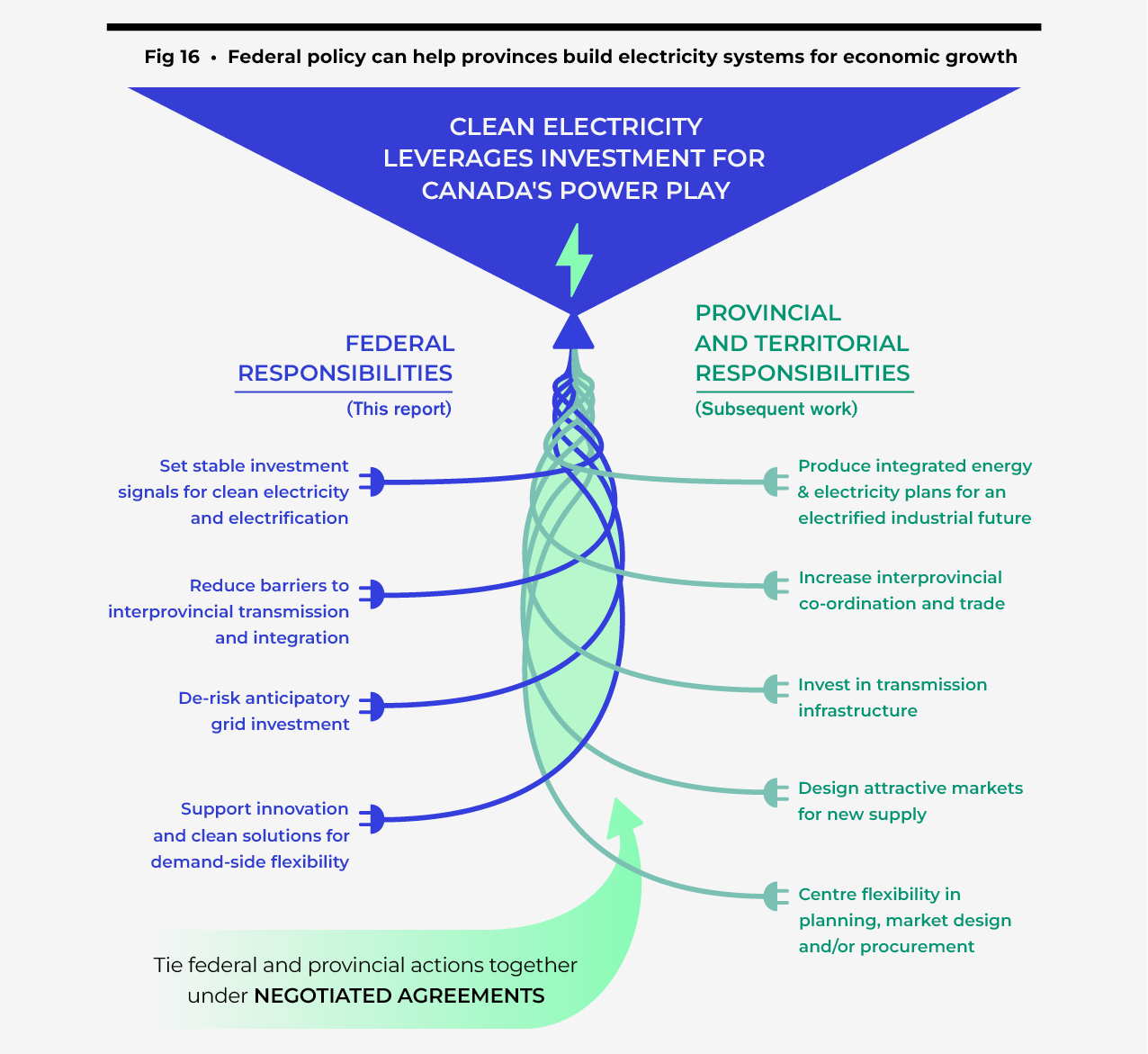
Figure 16 shows that federal policy can help provinces build electricity systems for economic growth.