This article was previously published in the National Observer.
There’s no sense in arguing over whether to protect people from deadly heat today, or cut emissions to prevent the problem from getting worse tomorrow. We need both to fight climate change and save lives.
As stifling heat grips much of North America, wildfires threaten communities and massive plumes of smoke dim cities in an apocalyptic orange. The two are connected: the same stalled dome of high pressure that drives the heat is also acting as a lid on the air, trapping the smoke near the ground instead of letting it clear. But an emerging debate over how to best protect people seeking an escape in the air conditioned indoors is degrading into a false choice between reducing emissions or adapting to climate change.
Two reflexes are pulling in opposite directions, but both make dangerous mistakes.
As heatwaves disrupt lives and livelihoods, some think tanks and contrarian commentators turn the discussion away from policies that tackle the root cause of climate change. Governments are accused of fixating on cutting greenhouse gas emissions, while leaving people defenceless against the extreme heat that’s already here. Adaptation measures — like improving access to air conditioning — are framed as the prudent yet neglected priority, while mitigation is cast as a misguided indulgence.
Governments have indeed chronically underfunded and overlooked climate adaptation — but that failure doesn’t prove that cutting emissions and protecting people from heat are a zero-sum game. Adaptation without continuing to reduce emissions is bailing a boat without plugging the hole: the water keeps rising and the bailing only gets harder. Every fraction of a degree of global warming makes the heat worse until it exceeds our capacity to adapt — beyond what governments, communities or the human body can manage. Slowing efforts to cut emissions doesn’t lighten the heat adaptation burden; it guarantees a heavier one.
The second reflex is quieter, but no less problematic: a discomfort among some environmentalists and commentators with air conditioning itself. Some of their worries — energy use and emissions — are legitimate concerns. But one is hardening into a harmful misconception: the claim that air conditioning is making heat waves worse.
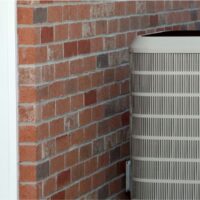
The science doesn’t support that claim. Air conditioners — and the heat pumps that increasingly provide the same cooling — do vent waste heat and, in the densest urban cores, that can nudge street-level temperatures up. The effect, though, is localized and small — topping out around one degree at night — and depends strongly on local geography, climate and urban design. Inflating this real but modest effect into a case against cooling while people are exposed to increasingly dangerous extreme heat is irresponsible.
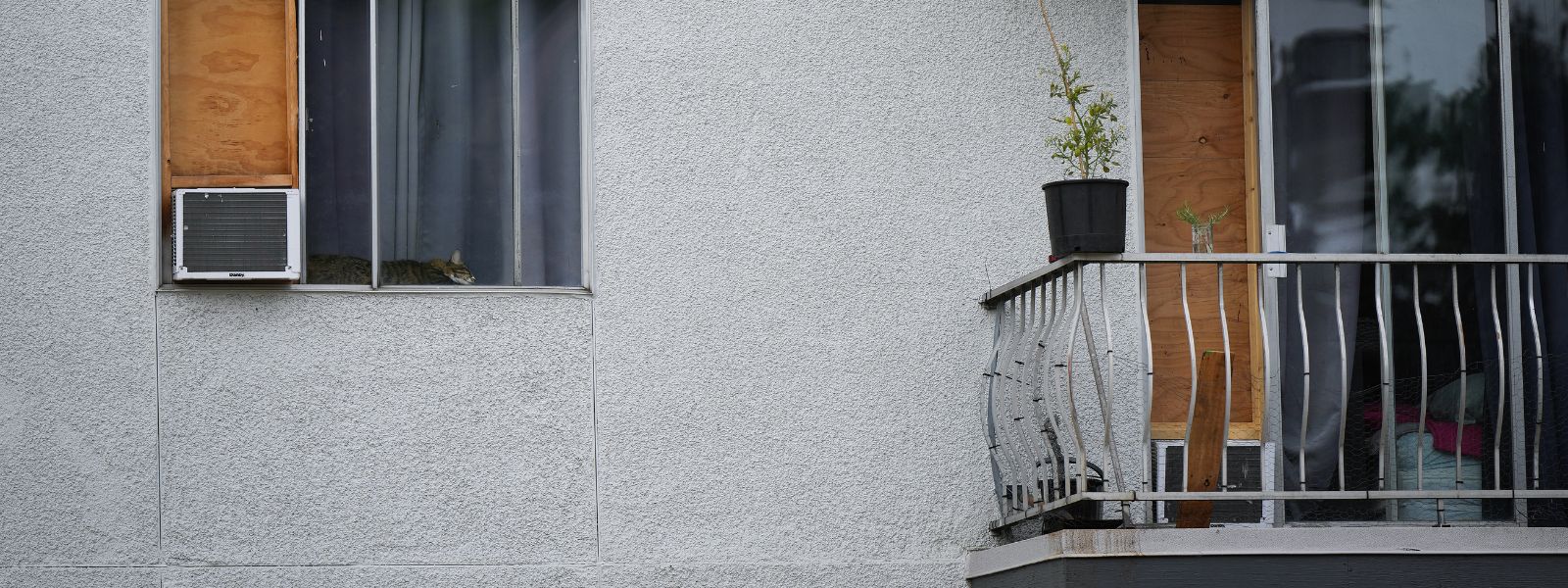
Heat is the deadliest climate hazard we face and cooling is among the best tools to keep people safe. The most exposed — seniors, people with chronic illnesses, renters and low-income households without cooling — are exactly those whom a reflexive suspicion of air conditioning risks leaving behind.
Both reflexes make the same error — treating adaptation and reducing emissions as a trade-off — when the way out is to do both. The path to a “both/and” solution to the challenges of cooling our homes during sweltering heat lies through cleaner power — and broader access to it.
As summers grow more dangerous, more Canadians will need home cooling. This is not an environmental failing but a health necessity. The question is whether the power behind it is clean, affordable and abundant. Get that right and the trade-off between emissions and adaptation dissolves: the grid keeping people safe indoors is the same grid decarbonizing the economy. And that plentiful low-cost clean power is within Canada’s reach, if governments can build electricity systems faster and more flexibly than today.
The rest of the agenda follows: Help people protect themselves now with access to modern and affordable cooling technology, from portable air conditioners to heat pumps. In the decades ahead, improve homes with better insulation and ventilation and add trees and shade to keep communities cool without consuming power. And continue cutting emissions, because every tenth of a degree of global warming avoided is heat we never have to adapt to.
None of this is hypothetical for Canada. Too many governments here still treat adaptation as an afterthought — leaving the work of protecting people underfunded and unled — even as the pressure builds to walk back emissions targets. Neglect either priority and Canadians pay. The 2021 heat dome killed more than 600 people in British Columbia, most indoors and without cooling. Continued slow-walking of both adaptation and emissions reductions will only make future disasters worse.
We’ll all be feeling the heat as temperatures spike, but there’s no logic in the false choice between protecting ourselves from extreme heat today while preventing the heat that’s coming. Pretending we must choose one over the other is a dangerous proposition.