This article was previously published in the Hill Times.
Canada’s Commissioner of the Environment and Sustainable Development reported earlier this month that the government failed to meet its commitments to climate-proof federally-owned infrastructure such as bridges, roads, buildings, and harbours.
The commissioner’s conclusion was unequivocal: In a country warming at twice the global rate, protecting federal infrastructure from climate change is essential to protect communities and save taxpayers’ money.
Those findings deserve attention—but also understate the scale of the challenge that Canada is facing. Most of the public infrastructure that Canadians rely on every day is owned by municipal, provincial, territorial and Indigenous governments, and much of it is being pushed beyond what it was designed to handle—by age, by decades of deferred maintenance, and increasingly by climate change.
The reality is, Canada is caught in an escalating cycle of expensive infrastructure damage and repair. Currently, roughly 14 per cent of all public infrastructure is now in poor or very poor condition due to insufficient investment in maintenance and renewal. A recent report from the Canadian Infrastructure Council warned that deteriorating public infrastructure may constrain housing growth and disrupt transportation, public health, and economic activity.
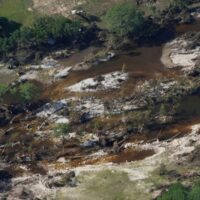
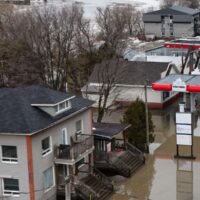
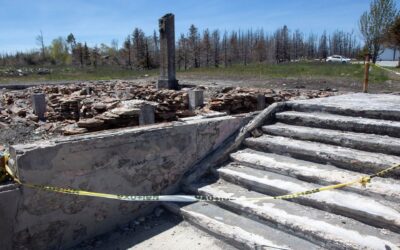
Climate change is compounding this challenge. The Canadian Climate Institute’s latest research puts clear numbers on what is at stake. Across Canada, climate change could increase public infrastructure costs by nearly $15 billion each year if governments fail to adapt to rising heat and intense rainfall. And that number doesn’t include costs from other climate impacts such as wildfires, permafrost thaw, coastal erosion or catastrophic flooding. The national picture echoes earlier findings by the Financial Accountability Office of Ontario, which estimated that similar climate pressures could add $4 billion to public infrastructure costs in Ontario alone.
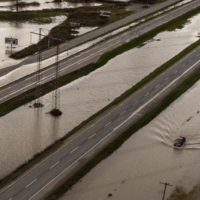
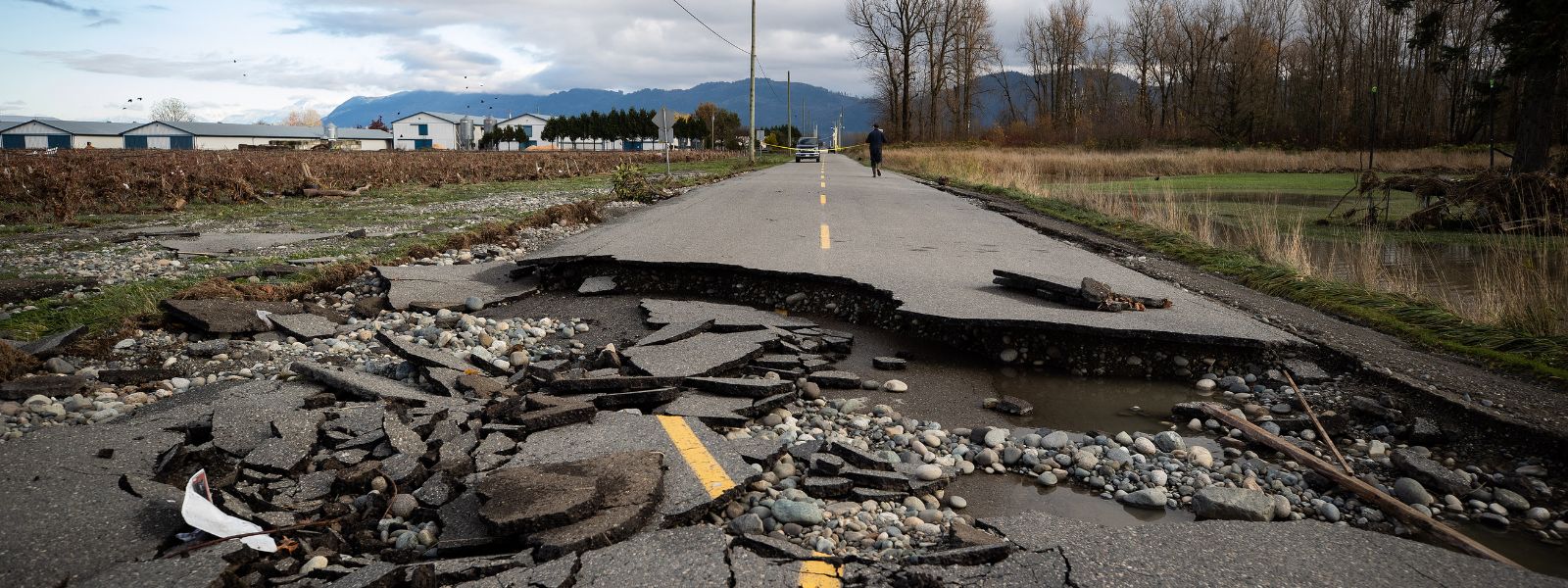
What’s more, the full impacts extend beyond the infrastructure repair bill. When roads are out of commission or sewers overflow, transportation is cut off, homes flood, businesses are disrupted, and supply chains stall. In 2021, an atmospheric river washed out highways and rail corridors in B.C., causing roughly $2.5 billion in trade losses and up to $1.4 billion in lost income and productivity.
This outcome is not inevitable. The Canadian Climate Institute’s analysis finds that investing an average of about $4 billion per year to adapt existing public infrastructure to heavier rainfall and higher temperatures could save taxpayers up to $9 billion in annual repair costs, leaving governments better off even after paying for the upgrades.
A proactive approach requires upgrading infrastructure sooner than is often planned. But the alternative—waiting until infrastructure fails or reaches the end of its life before adapting it for climate risks—is far more expensive. This reactive approach could add roughly $4 billion a year to public infrastructure costs over the remainder of the century, diverting resources from housing, health care, and other public priorities.
The benefits of climate‑resilient infrastructure would be widely shared—by households, businesses, and the broader economy. But the costs of investing in these assets are not evenly distributed. Municipal governments own and operate most public infrastructure, yet they rely primarily on property taxes and user fees that were never designed to finance large‑scale renewal or climate adaptation. Indigenous governments face additional investment constraints rooted in federal funding frameworks and long‑standing legislative barriers.
These structural challenges mean federal, provincial, and territorial governments have a critical role to play by working with municipalities and Indigenous governments to clear a path for proactive adaptation. Modernizing financial tools, expanding climate‑hazard data and mapping, updating infrastructure standards, and tailoring programs to support the most vulnerable communities and critical assets will all be essential.
Proactive adaptation is not a silver bullet. Even with resilience upgrades, climate change will continue to push infrastructure costs higher. But acting early can significantly limit how large those costs become and reduce the risk of disruptive failures.
If Canada climate‑proofs infrastructure only after it breaks down—or not at all—Canadians will pay more and face greater risk. The evidence is clear: every year of delayed adaptation increases future costs and amplifies climate risk across the country.