This article was previously published in the Toronto Star.
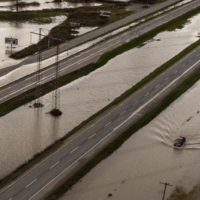
Canada’s climate future continues to arrive faster than its defences. A scorching heat wave is bearing down on much of the country, with warnings from the Prairies through Ontario into Quebec. It follows another that gripped Eastern Canada just two weeks ago. Near Sarnia, a stretch of Highway 402 buckled and heaved in 34-degree heat, forcing police to close the westbound lanes. Across the Toronto region, trains and subways were slowed or cancelled as the heat threatened to warp the rails. Nearly 40 people ended up in Toronto emergency rooms with heat-related illness, a tally public health officials say understates the real toll.
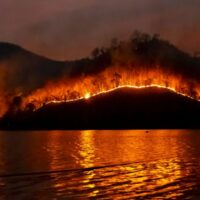
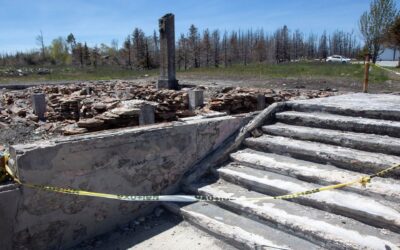
The financial cost of extreme weather also keeps climbing. Canadian Climate Institute research found that, without adaptation, worsening heat and intense rainfall could add $14 billion per year to the cost of maintaining public infrastructure by the 2050s. Wildfire smoke is now linked to thousands of premature deaths annually and costs billions. Each of the past five years ranked among the top 10 costliest for extreme weather insurance claims, with 2024 the worst on record at $9.1 billion.
Canada wasn’t supposed to be caught flat-footed. Three years ago, Ottawa released its National Adaptation Strategy, meant to get ahead of exactly these impacts. Yet while the strategy has produced programs, funding streams, and discussion tables, there is little evidence any of it is measurably reducing the risks that Canadians face.
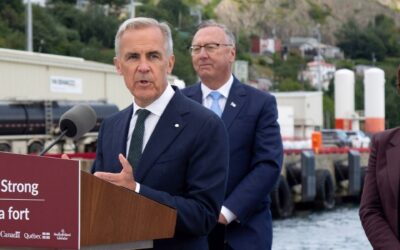
Part of the reason is that Ottawa has never backed adaptation the way the threat demands: it has drawn only a small share of federal climate spending—far less than the country needs. Now even that thin effort is in danger: many key federal adaptation programs expire in 2027-2028 or are already out of money, with no plan for renewal, and their fate is being decided inside a government-wide cost-cutting drive ahead of the fall budget. The temptation will be to trim adaptation programs, but that would be exactly the wrong lesson to draw.
The deeper problem is that Ottawa has never focused on the risks that matter most. When it launched, the Climate Institute’s independent assessment warned that the strategy didn’t concentrate federal action where it counts: on Canada’s greatest climate risks— like those from flooding, wildfire and extreme heat, the measures that most reduce them, or on tracking whether risk is actually falling. In 2025, a federal environment commissioner’s audit found the same gaps, including that the strategy lacked “an economic analysis to assign appropriate resources to different federal adaptation actions”—such that there is no systematic basis for directing money to where it would do the most good.
Those flaws now put federal adaptation funding itself at risk — and a program that can’t show results is a natural target in a budget review.”
But abandoning adaptation would be a false economy. Ottawa’s adaptation plan itself cites Climate Institute findings that climate change is already costing Canada $25 billion per year in lost GDP growth, rising toward $80 billion by mid-century. That same research shows that every dollar spent on key adaptations returns up to $15 in avoided costs and economic benefits. Trimming already thin adaptation investments trades small savings now for far larger bills later.
The answer is not another strategy, or simply a bigger cheque. It is to renew and strengthen adaptation while aiming it where it matters most: working with provinces, territories, and municipalities to close the resource gaps that leave local governments unable to make infrastructure resilient; ensuring federal infrastructure and housing dollars stop funding new development in harm’s way; rapidly completing the flood, wildfire, and other hazard mapping that helps people understand their risk; and delivering the bilateral adaptation plans and support for Indigenous-led climate adaptation the strategy promised.
The test now is whether Ottawa renews climate adaptation programs and makes them work—focusing on the right risks, at the right scale, against real measures of progress. That is how Canada avoids far bigger climate costs.