This article was previously published in the National Newswatch.
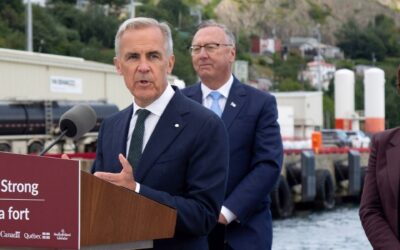
When Prime Minister Mark Carney meets this week with some of the largest institutional investors from around the world, he will be working from a pitchbook reported to contain 167 domestic projects seeking capital—everything from critical-mineral mining projects to data centres. A top priority should be the section detailing electricity and utilities projects.
As the prime minister himself put it, “Electrification underpins everything.” Attracting the necessary investment needed to reach Canada’s ambitious goal of doubling its electricity generation capacity by 2050 is the foundation on which the success of every other project in the pitchbook (and in the national interest) will stand.
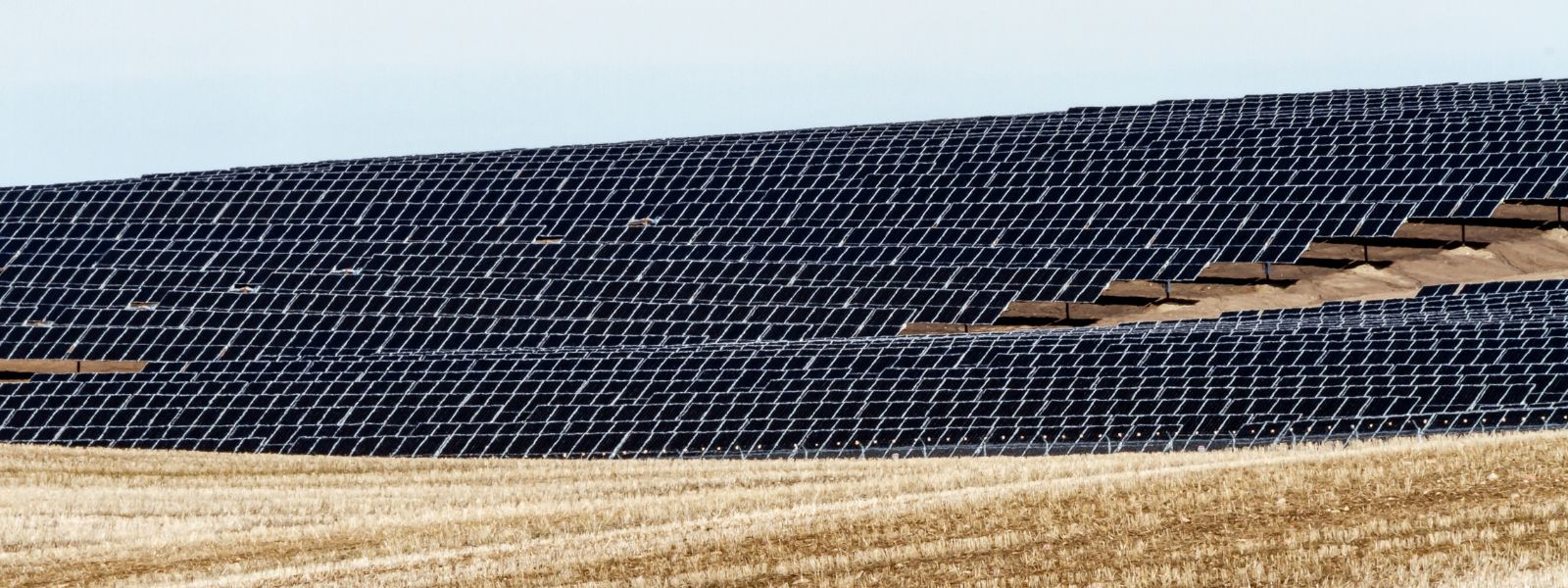
Canada is blessed with a hugely valuable asset in its vast clean energy potential. From coast to coast to coast, low-cost wind, solar, and battery storage can be built out to quickly expand the country’s electricity grids and power everything from mines and manufacturing facilities to ports and data centres. These technologies are now among the fastest and cheapest power available, and their rapid deployment is transforming grids and remaking electricity markets around the globe.
But harnessing the dramatic cost declines of clean power will require rethinking how we plan and build our electricity systems across the country. This means not only co-operation and co-ordination between federal and provincial governments but also planning the growth of the country’s grids with investment in new industrial projects in mind. Electricity plans that properly address expectations about future demand—the kind of future demand needed to power all the other projects in the prime minister’s thick pitchbook—are crucial for investors in both electricity generation and industrial projects in general.
That’s one of the main findings from our recent report, Power Play: How to supercharge Canada’s clean electricity advantage. Our research examined the four largest provincial electricity systems—in Ontario, Quebec, Alberta and B.C.—and compared them to leading jurisdictions around the world to understand how the country could accelerate the build-out of clean, flexible grids.
We found that industrial demand in Canada is rising much faster than utilities have planned for. A cautious approach to planning for demand increases made sense in the past, but electrification and rising electricity demand is now a long-term trend, not a momentary blip. Provinces now see long lineups of projects waiting for connection, which puts future investment opportunities at risk, without the supply to meet even half of what’s already in the queue.
Long waits could significantly undermine the investments the federal government is trying so hard to attract. A recent study by Dunksy Energy + Climate Advisors found that Canada could miss out on more than $200 billion in potential capital investment due to insufficient clean electricity supply.
Our report found that adding supply is just one part of a bigger picture. Canada also needs more transmission—especially inter-provincial lines—and battery storage to build more flexible grids that make better use of the existing system. Doing so could support grid reliability and lead to more competitive electricity prices in the future.
So, how can the federal government overcome these hurdles and put the country on a better path?
The convening power on display at the prime minister’s investment summit this week is certainly part of the solution. But enticing investors requires more than a good pitch. The federal government can harness the power of the national purse by selectively funding and financing projects and co-ordinating between governments. They have already taken important steps by committing support for grid interties between provinces like Manitoba and Saskatchewan, and for the Churchill Falls clean energy deal between Newfoundland and Labrador and Quebec. Similarly, deploying federal investment tools to scale behind-the-meter battery storage would let industrial users shift demand off-peak and qualify for the provincial funds that lower their electricity costs, strengthening their competitiveness while easing pressure on the grid.
Ottawa should also move forward with flexible Clean Electricity Regulations. Doing so would provide one of the most important signals to investors that the future will be powered primarily with clean energy.
Ultimately, our analysis shows that Canada has enormous potential to supercharge national growth and entice global investors to sign deals by harnessing clean power. But to realize the country’s full potential, policymakers need to pay urgent attention to how our electricity systems are designed so they can harness the full force of clean technologies that are reshaping global energy markets with ferocious speed.